 Português
 English
 한국어
한국어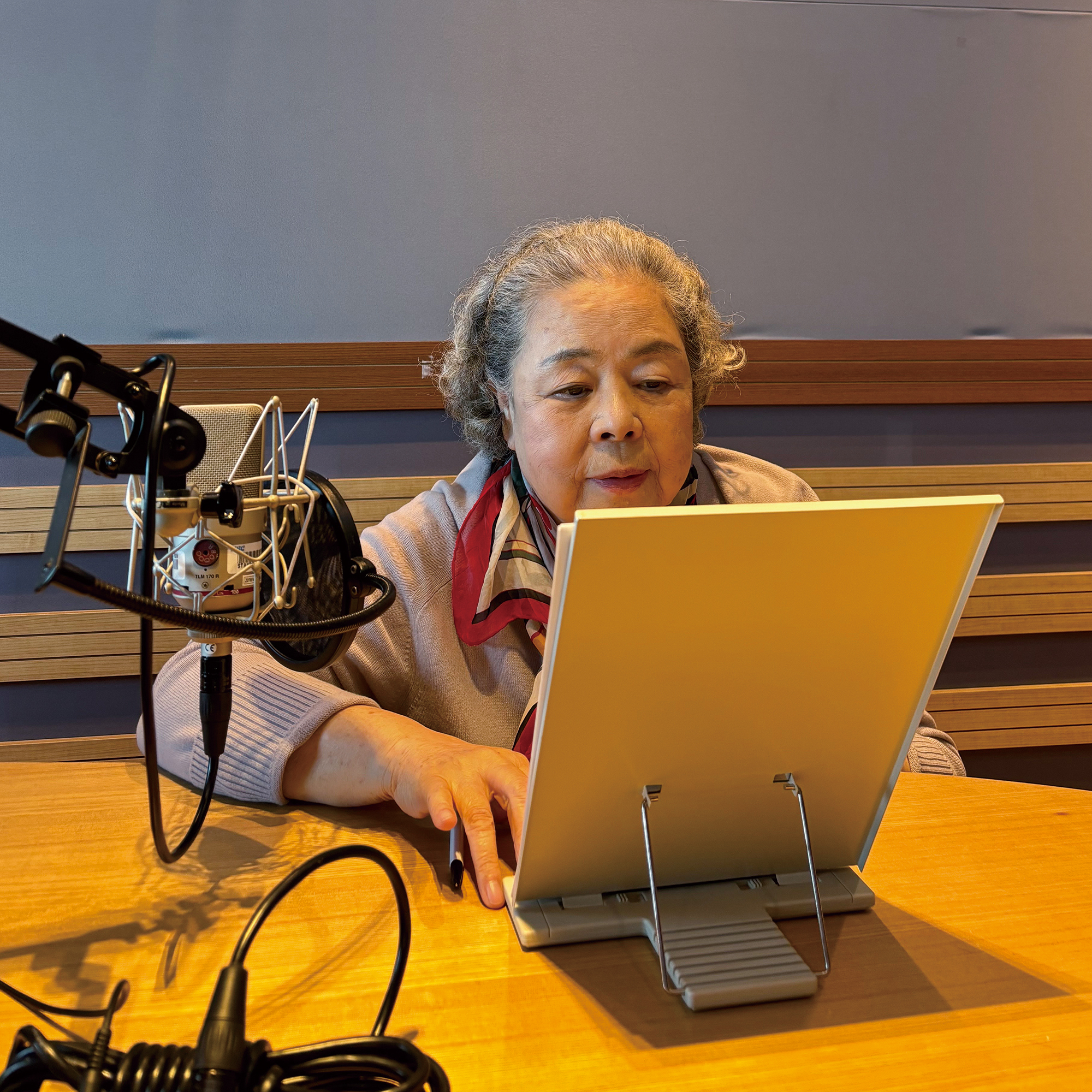
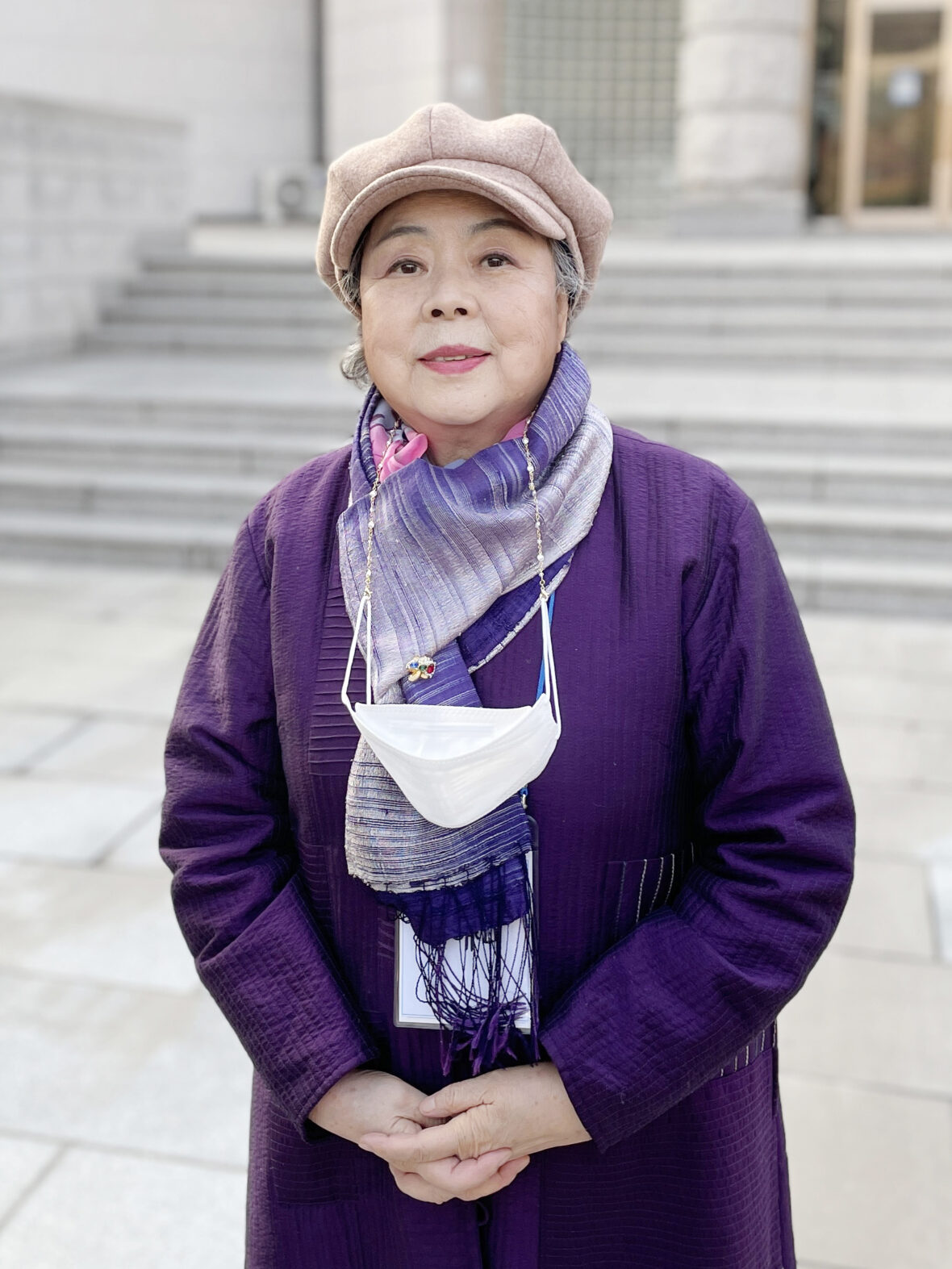
Before becoming a famous cartoonist, Min Anny drew to understand the world and find her place in it. In a South Korea riddled with traumas from the Korean War and the military censorship of Park Chung Hee’s government, Min Shin Sik (her first name) turned paper and pencil into a refuge for many people. This is reflected in her artistic name, which arose from the desire to create a persona that was close and accessible to readers, as an extension of her caring personality, talking to other girls and women who, like her, grew up in a restricted and silent society.
Although it began as a way of expressing herself, her drawings became a form of resistance with the publication of “White Sailboat” (1973), a story about the relationship between two teenage girls. Although at first glance the narrative is discreet, it was bold enough to make a mark on many female readers in a dictatorial context where even heterosexual kisses were forbidden in artistic expressions. Its release from censorship is partly due to the subtle language with which it dealt with “inappropriate themes”, allowing Anny to discreetly open up space for other forms of representation of love and identity in a country that doesn’t even openly express itself about it today.
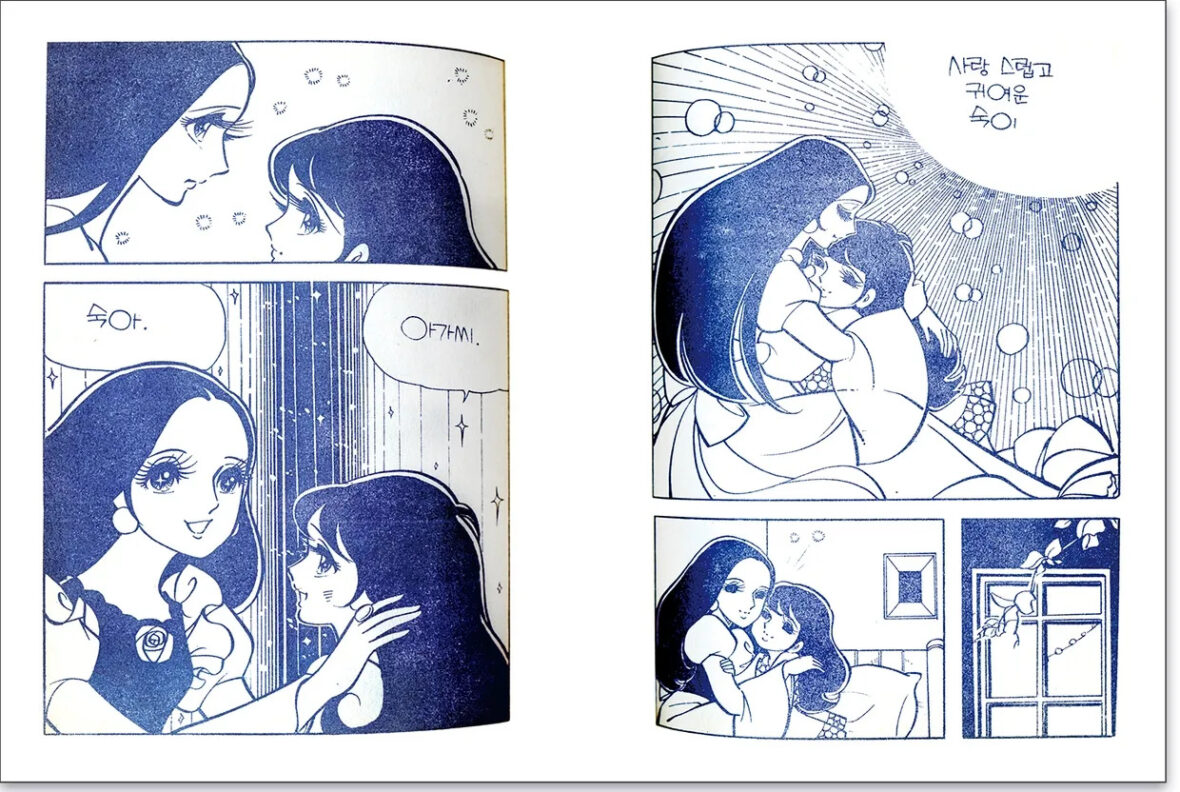
In Korean culture, especially within my family, expressing feelings was rare. Drawing was my way of trying to understand what was happening around me,” she said in an interview with The Korea Times.
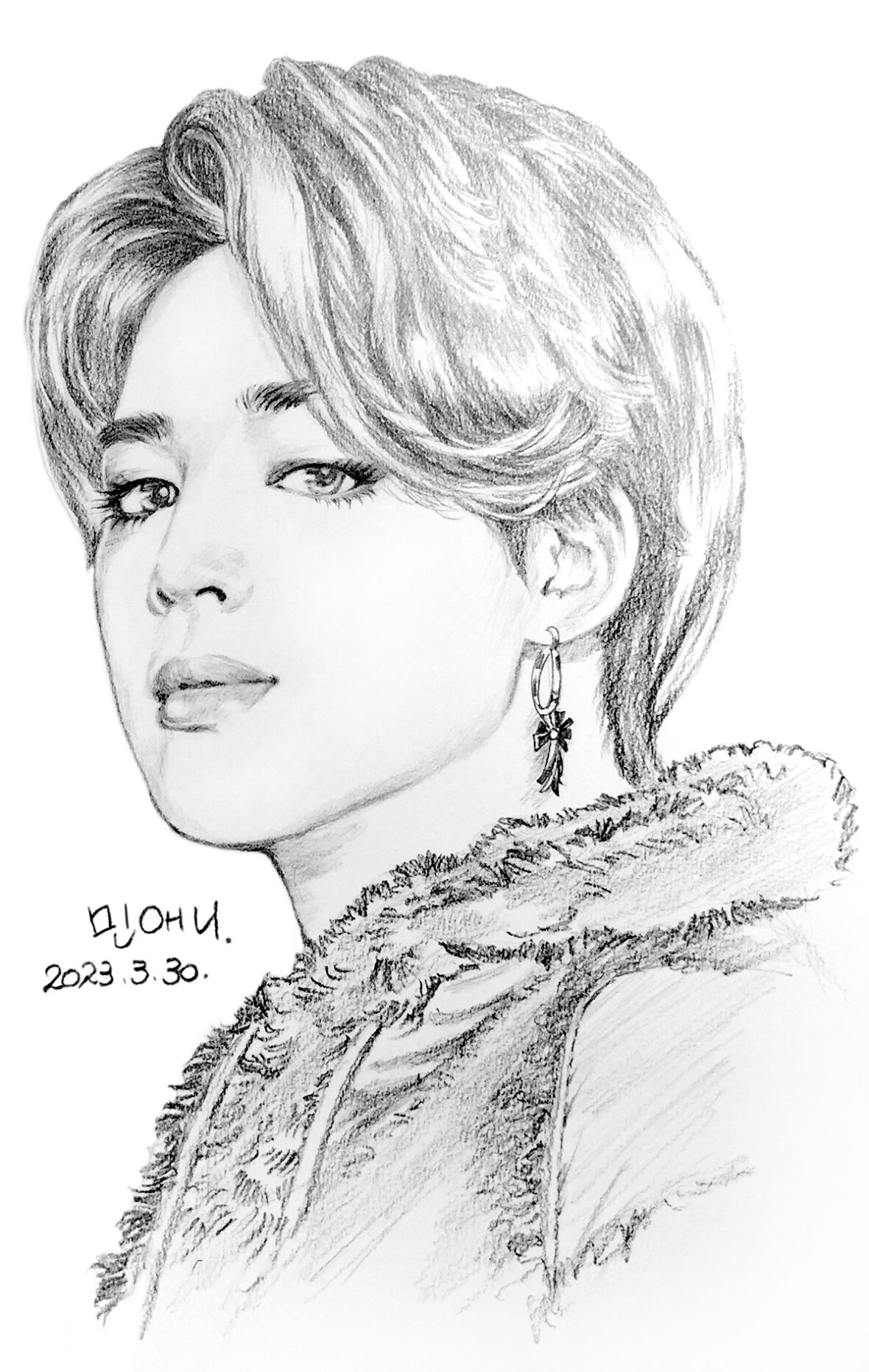
At the age of 82, Min Anny is getting closer to the public with her YouTube channel “Senior Cartoonist Anny Min”, where her artwork has found people from all over the world. On the platform, she talks about mental health, loneliness and cultural change and produces drawings of famous k-pop idols such as Jimin (BTS), NingNing (aespa) and even the members of the famous Saja Boys from “K-Pop Warriors”.
In an exclusive interview with K4US, the artist recalls important points in her career, such as the challenge of creating during the South Korean military dictatorship, her thoughts on the LGBTQIAPN+ community and her future career goals.
Check out the interview:
First of all, thank you for the opportunity to interview you. I’d like to start by asking you: How was the process of confronting censorship during the military regime and what inspired you to continue creating new art during that period?
During the military regime of the 1960s and 1970s, former president Park Chung Hee did a great job of developing the economy of a country that was poor after the Korean War.
However, the regime’s “Editorial Ethics Committee” carried out prior censorship, and its executives were obsessed with achieving results without any understanding of the arts. Under the pretext of promoting ethical awareness among students, they pre-censored all forms of popular art, including pop music, comic books, animated films, movies and TV shows.
But, driven by a passion to create works, the students did their utmost to produce content that was as familiar and inspiring as possible. They strove to create works that would bring happiness and hope to those who lost their families, suffered from poverty and faced illness after the Korean War.
What was it like for you, as a woman, to invest in this dream at a time when not only were cartoons not highly valued, but women had little place in society?
As I mentioned in my previous answer, after the war, when times were hard, there weren’t many TVs or radios in the neighborhoods and it was difficult to watch movies. I wanted to draw comics that would make children smile, give them hope and help them share warm feelings with each other. Drawing comics and creating stories was something I really wanted to do.
However, socially, comics were considered an inferior and cheap medium, as well as “bad books” (harmful media) that got in the way of children’s studies. At first, even the adults around me objected to me drawing comics, and there were times when I couldn’t even mention that I was a comic artist.
Until the 1960s, there was a strong belief that a woman’s role was to marry and look after the home. However, as my manga gained popularity among children and I became known as an artist who created healthy children’s manga suitable for the whole family, I ended up receiving a lot of love and support.
In another interview, you talked about your GL work “White Sailboat” and how through it you gave the censors “a taste of their own poison”, since at that time “what did they know about queer relationships?”. Even with the changes since 1973, there is still a lot to improve for the LGBT+ community. What do you think about this wave of conservatism that has spread around the world?
In 1973, I published “White Sailboat”. At the time, Korean society and the “Editorial Ethics Committee” believed that romantic relationships between men and women were only possible after they reached adulthood. Therefore, if a children’s comic depicted a romantic relationship between a man and a woman, it would be discarded.
Even if there was no romantic relationship, if a man and a woman who were not family members were simply facing each other, the committee would ask for the illustration to be reviewed. However, scenes in which women liked each other (without implying sexual love) were accepted as sisterly relationships and passed the review. The members of the review committee had no concept of GL. In addition, “White Sailboat” was a fantastic fairy tale where both female protagonists fell in love after drinking a magic potion, so it passed the review.
My opinion on sexual minorities in today’s age is that each person is a precious being and love is the most powerful energy in the universe, so no one can dictate who should or shouldn’t love whom. True love is precious. However, I hope that people don’t become overly obsessed with relationships just for the sake of pleasure. – Min Anny.
Nowadays, webtoons and manhwas have become very popular in South Korea, transcending geographical barriers and reaching different audiences, including the LGBTQIAPN+ community. What’s it like for you to see these achievements, having followed the country’s cartoon scene for all these years?
Let me tell you briefly about my childhood and history. I was born in 1942 and when I was three, in 1945, Korea was liberated from Japanese occupation. Then, when I was eight, from 1950 to 1953, I lived through the Korean War, which left the country in ruins.
During the war, my family fled from Seoul to the countryside, from where we saw many destroyed houses and corpses, and found many refugees. Even after the armistice, Korea remained one of the poorest countries in the world. As I mentioned before, the military regime of the time repressed popular art and treated comics as a negative medium, but it’s very gratifying and encouraging to see that over the last 50 to 60 years, as the country has developed, webtoons and animation have also developed with it.
When I see webtoons being adapted into films and dramas, I think: “The world really is a place worth living in for a long time”, and I’m proud of the younger generation of artists who are creating exceptional works. What’s more, I’m sincerely happy that the perception of comics has changed significantly, both nationally and among international audiences, from being seen as a harmful medium that gets in the way of students’ studies to being recognized for its artistic merit.
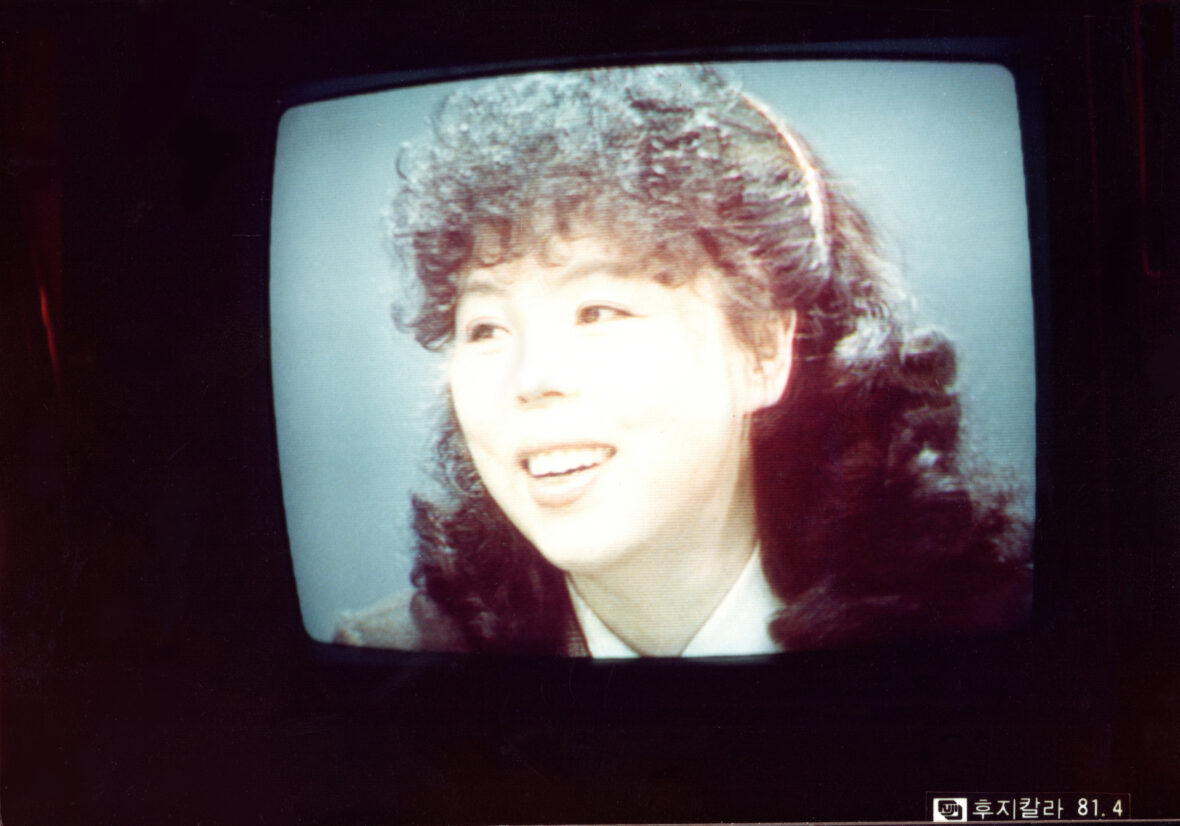
In your romantic comics, there’s always that warm feeling of human connection, of sharing moments, whether good or bad. For you, is love still the same feeling that inspired you to draw at the start of your career, or has it taken on new meanings over time?
I want to say that the most powerful energy in the universe that sustains life is love. I believe that we were all born into this world to love, understand and respect each other. Selfishness, greed, envy and fear divide people, cause wars and destroy our paradise Earth. I believe that love is an immortal energy.
When did k-pop first catch your attention and how did you build that relationship?
I’ve been a big movie fan since I was young. At that time, many Hollywood films were shown in theaters, but in principle, students weren’t allowed to go to the movies. But I would sneak into the dark room, watch the movie and be fascinated by the beautiful actors.
Recently, this interest in mass media has shifted to k-pop. I think it’s the artist’s sense to sympathize with the public’s interest and tendency. Of course, I still enjoy watching movies, but beautiful singers really inspire me to draw. Then, as I was constantly drawing on YouTube, people asked me to draw other singers, so I kept drawing.
When you’re not drawing, what do you like to do? Do these hobbies also inspire your art?
When I take a break from drawing, I watch new movies on Netflix and sometimes I watch old movies and series on cable TV and reminisce about the past. I carefully observe and study the actors’ expressions and use them as a reference when drawing the characters’ expressions.
Even after retiring, you continue to pursue art as a hobby, do you have any dreams you still want to achieve?
There’s no such thing as retirement for me. I believe that my last work, which I will paint on my last day of life, will be my masterpiece, and that everything I do now is just practice. So I would say that my dream is for many people to continue admiring my paintings.
Looking back over all these years of work, what advice would you give to Min Anny of the past? And to artists who are just starting out?
What I’d like to say to my past self and to artists just starting out is the same.
No matter how difficult life can be, it’s only temporary, so stay strong. Nothing can stop you from doing what you love. Personally, I believe that God gave me the talent to create Min Anny and send her out into the world to bring joy to people through my drawings.
I believe that if everyone does what they want and love to do with joy, helping, understanding and loving each other to live in harmony, this Earth will become a paradise. – Min Anny.
Did you like the content? You can follow Min Anny on Instagram and YouTube! If you want to check out the special message she recorded for the Brazilian public, just click here and leave a comment if you liked the interview!